

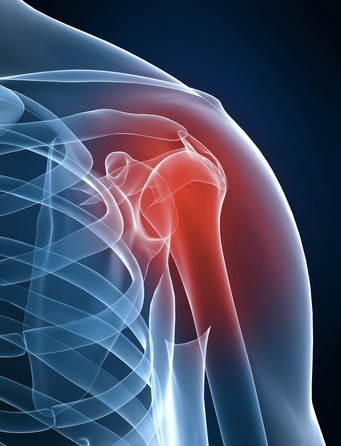
A shoulder that repeatedly slips out of place can affect much more than your ability to exercise. Recurrent instability can make everyday movements such as reaching overhead, putting on a jacket, lifting an object, or sleeping on the affected side uncomfortable or concerning.
After the first shoulder dislocation, some people recover fully, while others experience ongoing instability or repeated dislocations. The reason can vary from person to person. Previous tissue damage, muscle weakness, ligament laxity, poor shoulder control, and returning to demanding activities too soon can all contribute. For people experiencing persistent shoulder symptoms, Shoulder Pain Physiotherapy in London can provide targeted assessment and rehabilitation to help improve movement, strength, and shoulder stability.
Understanding why the shoulder keeps dislocating is an important first step toward improving stability and reducing the risk of future problems.
What Is a Recurrent Shoulder Dislocation?
A shoulder dislocation happens when the ball at the top of the upper arm bone moves completely out of the shoulder socket. A partial displacement, sometimes called a subluxation, occurs when the ball moves partially out of position.
The shoulder has an unusually large range of motion, which allows the arm to move in many directions. However, this mobility also means the joint depends heavily on surrounding muscles, ligaments, tendons, and cartilage for stability.
When the shoulder repeatedly dislocates or feels as though it is slipping out of position, this is generally described as recurrent shoulder instability.
A previous dislocation can change the way the shoulder functions. The supporting tissues may become stretched or damaged, while pain and reduced activity can contribute to weakness. Without appropriate rehabilitation, these factors may make another episode more likely.
Why Does the Shoulder Keep Dislocating?
There is rarely one single explanation for every case. Several factors can contribute to recurrent shoulder instability.
1. Damage From the Original Dislocation
A traumatic shoulder dislocation can stretch or damage the tissues responsible for keeping the joint in place.
The labrum, a ring of cartilage around the edge of the shoulder socket, can be injured during a dislocation. Ligaments and other soft tissues may also be affected.
If these structures do not recover adequately, the shoulder may remain less stable than it was before the injury.
This is one reason rehabilitation after the initial dislocation matters. Simply waiting for pain to disappear does not necessarily mean that strength and joint control have returned to normal.
2. Weak Shoulder Muscles
The muscles surrounding the shoulder help control the position of the upper arm during movement.
The rotator cuff is particularly important because it helps stabilise the shoulder while the arm moves. Following an injury, however, muscle weakness can develop because of pain, immobilisation, or reduced use of the arm.
If the muscles cannot provide adequate support during movement, the shoulder may feel unstable when reaching, lifting, throwing, or performing other demanding activities.
A progressive strengthening programme can help rebuild this support.
3. Loose or Stretched Ligaments
Some people naturally have more flexible joints than others. Greater joint laxity can sometimes make shoulder stability more challenging.
Ligaments can also become stretched following an injury or repeated dislocations. When the passive structures around the joint provide less restraint, the surrounding muscles need to work effectively to maintain control.
This does not mean that everyone with flexible joints will experience dislocations. Other factors, including strength, movement control, injury history, and activity demands, also matter.
4. Returning to Activity Too Quickly
Feeling better is not necessarily the same as being fully recovered.
Someone may have less pain after a shoulder dislocation but still have deficits in strength, coordination, stability, or confidence. Returning immediately to contact sports, throwing, heavy lifting, or overhead activity can place substantial demands on a shoulder that is not yet ready.
A gradual return to activity allows the shoulder to build capacity over time.
The progression should reflect the demands of the person’s normal activities rather than relying only on a fixed timeline.
5. Repeated Injury
Every additional dislocation can place further stress on the structures around the shoulder.
This can create a cycle in which instability contributes to another dislocation, and another injury then makes the shoulder more vulnerable.
If your shoulder has already dislocated multiple times, it is worth having the problem assessed rather than simply treating each episode as an isolated injury.
What Does Shoulder Instability Feel Like?
A shoulder does not have to completely dislocate for instability to be present.
Some common symptoms include:
- A feeling that the shoulder is slipping or moving out of position
- Repeated full or partial dislocations
- A sensation of looseness
- Pain with certain movements
- Weakness in the affected arm
- Apprehension when reaching overhead or behind the body
- Difficulty returning to sports or exercise
- A feeling that the shoulder might give way
Symptoms can differ considerably between individuals.
For some people, pain is the main problem. Others may have little pain but feel that the shoulder is unreliable or unstable during particular movements.
How Can Shoulder Stability Be Improved?
Improving shoulder stability usually requires more than simply avoiding activities that cause symptoms.
A structured rehabilitation programme can address the factors contributing to instability while gradually increasing the shoulder’s ability to handle physical demands.
Restore Appropriate Movement
After a dislocation, the shoulder may become stiff because of pain, swelling, protective movement, or a period of immobilisation.
Restoring appropriate range of motion is an important part of recovery. However, the goal is not necessarily to maximise flexibility.
For someone with instability, excessive movement may not be desirable. Rehabilitation should aim for appropriate mobility combined with good control.
Strengthen the Rotator Cuff
The rotator cuff muscles help control the upper arm as it moves within the shoulder joint.
Strengthening these muscles can improve the shoulder’s dynamic support. Exercises may initially use light resistance and controlled movements before progressing as strength and tolerance improve.
The appropriate exercises depend on the individual’s injury history, current strength, symptoms, and rehabilitation stage.
Improve Shoulder Blade Control
The shoulder blade provides an important foundation for arm movement.
Muscles around the shoulder blade help position and control it as the arm moves. Poor coordination or weakness in these muscles can influence overall shoulder mechanics.
For this reason, rehabilitation may include exercises targeting both the shoulder joint and the muscles controlling the shoulder blade.
Develop Better Joint Awareness
Proprioception is the body’s ability to sense the position and movement of a joint.
After an injury, a person may have reduced confidence or control during certain shoulder movements. Rehabilitation can gradually introduce exercises that challenge the shoulder’s ability to remain stable.
As control improves, exercises can become more demanding through changes in resistance, position, speed, or direction.
Progress Toward Real-World Activities
A rehabilitation programme should eventually reflect what the person actually needs to do.
For example, someone returning to swimming may require a different progression from someone returning to weightlifting or a contact sport.
The goal is to gradually expose the shoulder to increasing demands while maintaining appropriate control.
Can Recurrent Shoulder Dislocations Be Prevented?
There is no way to guarantee that a shoulder will never dislocate again. Structural damage and the nature of the original injury can influence the risk.
However, addressing modifiable factors can help improve shoulder function and stability.
Useful strategies may include:
- Completing the recommended rehabilitation programme
- Maintaining shoulder and upper-body strength
- Improving movement control
- Gradually increasing exercise intensity
- Using appropriate technique during training
- Avoiding sudden increases in workload
- Following a structured return-to-sport programme
- Getting recurring instability assessed early
People recovering from dislocation can also benefit from understanding the difference between normal muscle fatigue and symptoms suggesting that the joint is becoming unstable.
What About Shoulder Dislocation Rehabilitation?
Rehabilitation after a shoulder dislocation is usually progressive. The exact approach depends on the type of injury, treatment received, symptoms, and the person’s goals.
Early rehabilitation may focus on protecting the joint and restoring appropriate movement. Later stages can involve strengthening, coordination, stability work, and functional exercises.
If you want to understand more about managing symptoms during recovery, information about shoulder dislocation rehabilitation can provide additional context on the rehabilitation process.
The important point is that exercises should be appropriate for the individual’s stage of recovery. An exercise that is useful later in rehabilitation may not be suitable immediately after an injury.
When Should You See a Physiotherapist?
Professional assessment can be particularly useful if the shoulder has dislocated more than once, repeatedly feels unstable, or continues to cause weakness or discomfort.
A physiotherapist can assess factors such as:
- Shoulder movement
- Muscle strength
- Joint control
- Functional limitations
- Movement patterns
- Activity and sporting demands
The findings can then be used to develop a rehabilitation programme based on the individual’s needs.
For people dealing with repeated instability, recurrent shoulder dislocation treatment may include targeted strengthening, stability training, movement retraining, and a gradual return to normal activities.
For professional physiotherapy support, CC Physiotherapy provides assessment and rehabilitation services for a range of musculoskeletal and shoulder conditions.
What If the Shoulder Keeps Dislocating Despite Rehabilitation?
Not every case of recurrent instability can be managed through physiotherapy alone.
Some people may have significant structural damage or instability that requires further medical investigation. In these situations, a physiotherapist can help identify when additional assessment may be appropriate.
This is particularly important when dislocations continue despite appropriate rehabilitation or when the shoulder repeatedly becomes unstable during relatively low-demand activities.
The aim is not simply to strengthen the shoulder and hope for the best. The underlying reason for repeated instability should be considered so that the appropriate treatment pathway can be followed.
The Bottom Line
A shoulder that keeps dislocating may be affected by previous tissue damage, muscle weakness, ligament laxity, poor movement control, or a combination of these factors.
Rehabilitation commonly focuses on restoring appropriate movement, strengthening the rotator cuff and shoulder-blade muscles, improving joint control, and gradually preparing the shoulder for everyday or sporting demands.
If your shoulder has dislocated repeatedly or continues to feel unstable, professional assessment can help identify the factors contributing to the problem. A personalised rehabilitation programme can then focus on improving strength, stability, confidence, and functional movement.
