

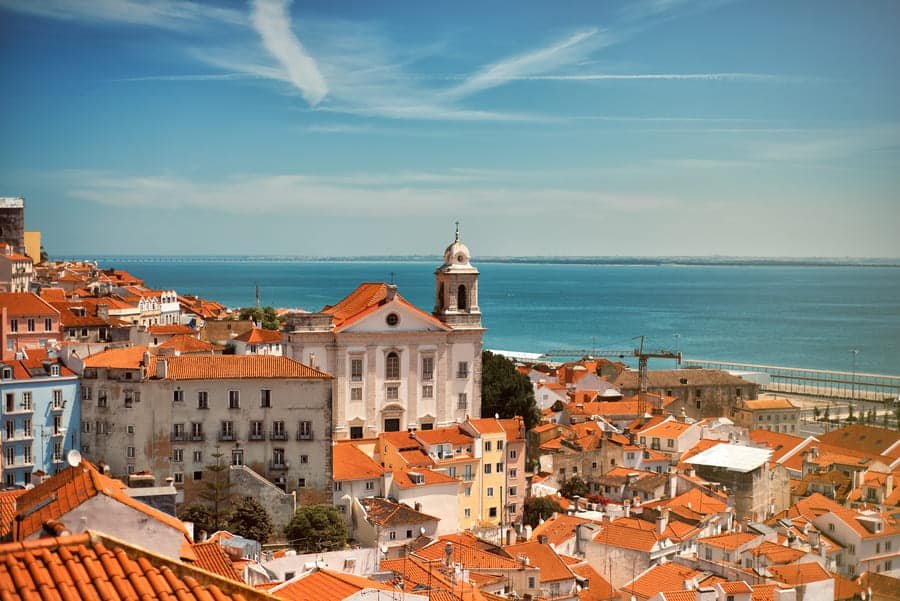
Moving to Portugal from the USA has become an increasingly attractive option for Americans seeking a different lifestyle, international opportunities, or a comfortable retirement in Europe.
With its mild climate, welcoming communities, healthcare system, and relatively affordable living costs compared with many major American cities, Portugal offers several advantages.
However, relocating involves more than booking a flight and finding somewhere to live. Americans must consider visa requirements, taxation, healthcare, housing, and the practicalities of establishing residence abroad.
Understanding these factors before moving can make the transition considerably easier.
Why Are Americans Moving to Portugal?
Portugal appeals to Americans for several reasons, particularly its quality of life, safety, and relaxed pace of living.
Lisbon and Porto attract professionals, entrepreneurs, and families looking for an international environment. Meanwhile, the Algarve remains popular among retirees seeking sunshine, coastal living, and established expatriate communities.
Smaller cities such as Braga, Coimbra, and Aveiro offer alternatives for those who prefer a quieter lifestyle and potentially lower housing costs.
Another advantage is Portugal’s location within Europe. Residents can easily explore neighbouring countries, while international airports provide connections to major American destinations.
Although living costs have increased in recent years, Portugal can still offer good value compared with expensive US metropolitan areas.
Do Americans Need a Visa to Move to Portugal?
US citizens can generally visit Portugal and other Schengen Area countries for up to 90 days within a 180-day period without obtaining a short-stay visa.
However, Americans planning to establish residence in Portugal normally need an appropriate long-stay visa or residence authorisation.
Portugal offers several immigration pathways depending on the applicant’s financial circumstances and professional activities.
The D7 Visa is particularly popular among retirees and individuals receiving qualifying passive income, including pensions and rental income.
The D8 Digital Nomad Visa is designed for remote professionals working for employers or clients outside Portugal.
Entrepreneurs planning to establish or develop businesses may consider the D2 Visa, while highly qualified professionals with eligible employment opportunities may qualify for the D3 Visa.
Portugal also offers a Golden Visa programme for qualifying investors, although direct property purchases no longer qualify for this immigration route.
Choosing the appropriate visa is one of the most important decisions when planning a relocation.
For a detailed explanation of the available pathways and practical requirements, this guide to Moving to Portugal from the USA provides useful information for American applicants.
How Much Does It Cost to Live in Portugal?
The cost of living in Portugal depends considerably on location, accommodation preferences, and lifestyle.
Lisbon and Cascais are among the more expensive areas, particularly when renting modern apartments in desirable neighbourhoods.
Porto can offer slightly lower accommodation costs, while smaller cities and inland regions may provide better value.
For example, an American couple renting a two-bedroom apartment in central Lisbon should generally expect higher housing expenses than a couple choosing Braga or Coimbra.
Groceries, restaurants, and certain everyday services can be less expensive than in major US cities, although imported products and international schooling may significantly increase household expenses.
Prospective residents should prepare a realistic monthly budget covering accommodation, utilities, transportation, healthcare, insurance, and personal spending.
Understanding Taxes in Portugal for Americans
Taxation is one of the most important considerations when moving from the United States to Portugal.
Portugal generally considers individuals tax residents when they spend more than 183 days in the country during a relevant 12-month period or maintain accommodation indicating an intention to occupy it as their habitual residence.
Portuguese tax residents are generally subject to taxation on worldwide income, including foreign pensions, employment income, investments, and rental earnings.
However, American citizens face an additional complication: the United States generally requires its citizens to report worldwide income regardless of where they live.
This means Americans residing in Portugal may have tax reporting obligations in both countries.
Fortunately, the US–Portugal double taxation treaty and mechanisms such as the Foreign Tax Credit can help reduce double taxation in qualifying circumstances.
Some Americans may also qualify for the Foreign Earned Income Exclusion, although eligibility depends on specific conditions.
Foreign bank account reporting requirements, including FBAR obligations, should also be considered.
For a broader explanation of Portuguese income tax, residency rules, and foreign earnings, this guide to Taxes in Portugal For Foreigners provides additional information.
Obtaining professional cross-border tax advice before relocating is strongly recommended.
Healthcare in Portugal: Public or Private?
Portugal operates a public healthcare system known as the Serviço Nacional de Saúde (SNS).
Legal residents may be eligible to access public healthcare, subject to registration and applicable administrative requirements.
However, many American expats also choose private health insurance to access additional healthcare providers, shorter waiting times for certain services, and English-speaking medical professionals.
Private healthcare costs can be considerably lower than comparable services in the United States, although prices vary depending on the provider and treatment.
Americans should also remember that Medicare generally does not cover routine healthcare received outside the United States.
For retirees, reviewing medical coverage before relocating is particularly important.
Renting or Buying Property in Portugal
Finding suitable accommodation is another essential part of the relocation process.
Many Americans initially choose to rent before purchasing property, allowing them to explore different neighbourhoods and understand local living conditions.
Long-term rental agreements may also help satisfy accommodation requirements for certain residence visa applications.
Foreign nationals, including Americans, can generally purchase property in Portugal without Portuguese citizenship or residency.
However, buying property does not automatically provide immigration rights.
Prospective buyers should consider property transfer taxes, stamp duty, legal checks, condominium expenses, and ongoing ownership costs.
Working with independent legal and property professionals can help identify potential issues before committing to a purchase.
Practical Steps Before Relocating
Moving internationally requires careful administrative preparation.
Americans will generally need a Portuguese tax identification number (NIF) for activities such as opening bank accounts, signing certain contracts, and purchasing property.
Depending on their circumstances, they may also need a Portuguese bank account, accommodation documentation, health insurance, and criminal record certificates for their visa application.
Documents issued in the United States may require apostilles or certified translations.
Families relocating with children should investigate schooling options early, particularly when considering international schools.
It is equally important to plan the transportation of personal belongings, driving licence arrangements, and any continuing financial obligations in the United States.
Preparing these matters before departure can significantly reduce stress after arrival.
Conclusion
Moving to Portugal from the USA offers Americans the opportunity to enjoy a different lifestyle, explore Europe, and potentially reduce certain living expenses.
However, successful relocation requires careful planning around immigration, taxation, healthcare, and housing.
The appropriate visa, realistic financial expectations, and a clear understanding of US and Portuguese tax obligations are particularly important.
With the right preparation and professional guidance, Americans can make a smoother transition and establish a fulfilling new life in Portugal.
