

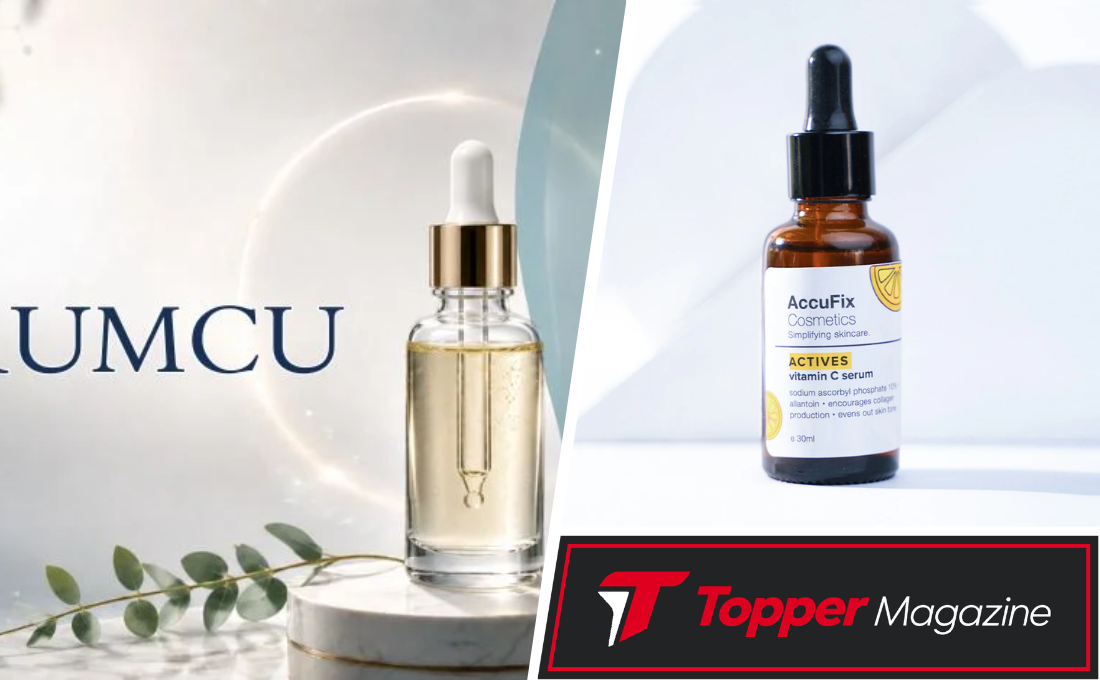
Serumcu is one of those unusual words that can make you stop and wonder, “What exactly does this mean?” The name is appearing online around skincare, beauty routines, serums, ingredients, and product information. The official Serumcu website describes itself as a place for skincare knowledge, ingredient education, product insights, and easy-to-understand beauty guidance.
But there is a small twist. Serumcu is not a standard English skincare word such as cleanser, moisturizer, or sunscreen. Its meaning can change depending on where you see it, which is one reason so many people are searching for an explanation.
So, is Serumcu a website? A skincare idea? A serum specialist? Or the name of a beauty product?
The easiest answer is that it can be connected with more than one of these ideas. Let us break everything down in simple words.
What Is Serumcu?
Serumcu is mainly connected online with skincare and, especially, facial serums.
When people search the word today, they may be trying to find information about Serumcu.com, understand the meaning of the unusual name, or learn more about serums and skincare routines.
The word itself appears to have a Turkish-style construction. The ending “-cu” and similar endings can be used in Turkish words to describe someone connected with a certain item, trade, activity, or interest.
That gives Serumcu a loose idea of someone connected with serum.
However, this does not mean Serumcu is an official medical title.
You should not assume that someone using the word is automatically a dermatologist, doctor, nurse, pharmacist, or licensed skincare professional.
That distinction is important.
Why Has Serumcu Become an Interesting Search Term?
The internet loves unusual names.
Sometimes a new word suddenly begins appearing on blogs, social media platforms, search engines, and websites. People see it once, become curious, and search it.
Serumcu has that kind of mystery.
Someone might see the word and think it is the name of a cosmetic company. Another person may think it refers to a particular serum. Someone else might believe it describes a skincare expert.
That uncertainty naturally creates searches.
The beauty industry also gives the term extra relevance because facial serums have become an everyday part of many skincare routines.
Walk into almost any beauty shop and you may see shelves filled with small dropper bottles promising hydration, brighter-looking skin, smoother texture, or help with different skin concerns.
With so many options, people want simple explanations.
That is exactly where skincare information websites can become useful.
What Is Serumcu.com?
Serumcu.com presents itself as an informational website rather than simply an online shop.
According to its own description, the website aims to publish information about skincare, ingredients, beauty routines, serums, and product-related topics.
Its stated goal is to make skincare easier to understand.
That idea matters because beauty information can quickly become confusing.
One article tells you to use vitamin C.
Another tells you to try niacinamide.
Someone on social media recommends retinol.
Then another creator starts talking about hyaluronic acid.
A beginner can easily think, “Do I really need all of these?”
A simple skincare website can help readers understand what different ingredients are normally used for before they spend money.
Is Serumcu a Skincare Brand?
This question does not have a completely simple answer.
The name Serumcu is clearly being used as an online identity connected with skincare content. Some pages using the term also describe serum-style products or discuss serum benefits.
However, readers should be careful about automatically assuming that every mention of Serumcu refers to one specific cosmetic formula sold worldwide.
A website name, an article title, a social media identity, and a physical product are different things.
If you are planning to buy something carrying the Serumcu name, look at the actual product page.
Check the ingredients.
Check who manufactures it.
Check the size.
Check the seller.
And most importantly, make sure you understand exactly what you are purchasing.
A familiar-looking website name should never replace basic product research.
What Exactly Is a Facial Serum?
A facial serum is usually a lightweight skincare product designed to deliver particular ingredients to the skin.
Serums are often thinner than heavy creams.
Many come in small bottles with droppers or pumps.
Why so small?
Because you normally do not need to cover your face in a thick layer. A few drops can often spread across a large area.
The important part is not simply that a product says “serum” on the bottle.
The ingredients inside matter much more.
Two serums may look almost identical but have completely different purposes.
One could focus on hydration.
Another may contain ingredients commonly used for uneven-looking tone.
A third might target oily or blemish-prone skin.
That is why understanding the label is so useful.
Why Are Skincare Serums So Popular?
Serums became popular partly because they make skincare feel targeted.
Imagine you have dry skin.
You might search for a hydrating serum.
If dull-looking skin bothers you, you may begin researching vitamin C.
If your concern is visible texture or signs of ageing, you may encounter retinoids or peptides.
This “choose something for your concern” idea makes serums attractive.
They also fit easily into routines because most are light.
You can normally apply a small amount before heavier moisturizer.
Of course, more products do not automatically mean better skin.
A bathroom shelf filled with ten bottles may look impressive, but your skin does not care how expensive or complicated your routine looks.
Sometimes simple is better.
Common Ingredients You May See in Serums
Walk through the skincare aisle and you will notice certain ingredient names again and again.
Hyaluronic Acid
Hyaluronic acid is commonly included in hydrating products.
People often misunderstand the word “acid” and imagine something harsh.
In skincare, hyaluronic acid is generally used because of its ability to help support hydration.
It can appear in serums, creams, masks, and other products.
Vitamin C
Vitamin C is another well-known serum ingredient.
You may see several different forms of vitamin C listed on labels because cosmetic formulas do not all use exactly the same version.
People often choose vitamin C products when they want a brighter-looking complexion or want to address the appearance of uneven tone.
Packaging can matter too.
Some vitamin C formulas are sensitive to light and air, so brands may use dark or opaque bottles.
Niacinamide
Niacinamide is a form of vitamin B3 commonly found in modern skincare.
It has become especially popular because it can be included in products made for several different skin types.
You may find it in serums, moisturizers, toners, and cleansers.
Retinol
Retinol belongs to the vitamin A family of skincare ingredients.
It is commonly used in products aimed at visible signs of ageing, texture, and blemish-related concerns.
Retinol can sometimes irritate skin, especially when someone begins using too much too quickly.
This is one reason beginners should avoid throwing several strong products into their routine on the same evening.
Peptides
Peptides are another fashionable ingredient category.
You will often see them in products marketed around smoother-looking or firmer-looking skin.
As always, one impressive ingredient name does not tell the entire story.
The complete formula matters.
How Do You Choose the Right Serum?
Start with one simple question:
What problem are you actually trying to solve?
Do not buy something simply because everyone on social media is showing the same bottle.
If your skin feels dry, look for hydration-focused formulas.
If your concern is oily skin, choose products created with that skin type in mind.
If you have sensitive skin, a simpler formula may make more sense than a product packed with many powerful active ingredients.
Then look at the ingredient list.
You do not need to become a cosmetic chemist.
You simply need to know the main ingredients and why they are there.
Also consider texture.
Some people enjoy watery serums.
Others prefer something slightly thicker.
Your perfect product does not have to be the same product your friend loves.
Does Expensive Mean Better?
Not necessarily.
A beautiful glass bottle can make a product feel luxurious.
Fancy packaging, celebrity marketing, dramatic advertisements, and expensive photography can also make a serum look special.
But your skin cannot see the box.
It reacts to the formula inside.
An affordable product with ingredients suitable for your skin may work perfectly well for your needs.
Meanwhile, an expensive serum could still irritate you.
Price is only one part of the decision.
Ingredients, formulation, skin type, storage, and how consistently you use a product can matter too.
How Should Serum Fit Into a Simple Routine?
Skincare does not need to feel like a science experiment.
A very basic routine may include cleansing, a suitable treatment product when needed, moisturizer, and daytime sun protection.
Serum usually comes before a heavier moisturizer because it tends to have a lighter texture.
For example, someone might wash their face, apply a serum, wait briefly for it to settle, and then apply moisturizer.
The exact order can depend on the formula.
Always check the instructions on your particular product.
And resist the temptation to apply huge amounts.
More serum does not automatically mean faster results.
Why Patch Testing Can Be Helpful
Even a product loved by thousands of people can annoy one person’s skin.
Skin is personal.
That is why testing a new product on a small area before spreading it everywhere can be useful.
The American Academy of Dermatology also advises introducing products carefully and notes that using several new anti-ageing products at once can cause irritation.
This is a very simple lesson that is easy to forget.
You see a new routine online and suddenly want five new products.
But if your skin becomes irritated, you may not even know which bottle caused the problem.
Adding products gradually makes things easier to understand.
Can Serum Replace Moisturizer?
Usually, you should think of serum and moisturizer as different categories rather than competitors.
A serum is commonly designed around targeted ingredients.
A moisturizer generally focuses more heavily on helping skin feel comfortable and supporting moisture.
Some people with oily skin may enjoy very light products.
Others with dry skin may need richer creams.
Climate also matters.
Something that feels perfect during a humid summer may not feel rich enough in cold winter weather.
The best routine is the one that suits your skin rather than the one with the most steps.
Can Serumcu Replace a Dermatologist?
No skincare website should be treated as a replacement for medical care.
Online guides can help you understand ingredient names or learn basic skincare ideas.
But websites cannot examine your skin in person.
They cannot automatically know whether an unusual rash is an allergy, eczema, infection, acne, or something else.
Serumcu itself states in its disclaimer that its content is provided for general informational and educational purposes and is not intended to replace professional medical or dermatological advice.
If you have a persistent, painful, rapidly changing, bleeding, or serious skin problem, professional medical advice is the better path.
What Should Readers Check Before Trusting Skincare Content?
Beauty content is everywhere.
Unfortunately, not every claim deserves equal trust.
Pay attention when an article promises impossible results.
Words such as “instant,” “guaranteed,” “miracle,” or “works for everyone” should make you think carefully.
Human skin varies.
Age varies.
Climate varies.
Health conditions vary.
Other products vary.
That means one routine cannot realistically produce identical results for every person.
Good skincare information usually explains limits as well as potential benefits.
Why Ingredient Education Matters
The most useful thing a skincare website can do may not be telling you what to buy.
It may be teaching you how to understand what you are already looking at.
Once you know basic ingredients, shopping becomes less confusing.
You can pick up two bottles and compare them.
Instead of thinking, “This one has prettier packaging,” you begin asking better questions.
What is the main active ingredient?
What skin concern is it meant for?
Is there fragrance?
How often does the brand recommend using it?
Will it fit with the products I already use?
Those simple questions can prevent a lot of random buying.
Serumcu and the Rise of Simple Skincare Education
There is another reason a name like Serumcu fits the internet so well.
People want information quickly.
They do not always want a 50-page scientific explanation just to understand one ingredient.
A beginner may simply want to know:
“What does this serum do?”
“Should I use it morning or evening?”
“Can I put moisturizer over it?”
“Is this ingredient suitable for beginners?”
Websites that explain these questions in everyday language can be useful starting points.
The challenge is keeping those explanations accurate.
Simple information should still be responsible information.
Is Serumcu Worth Following in 2026?
That depends on what you expect from it.
If you are looking for general skincare reading, ingredient explanations, or ideas for building a routine, Serumcu presents itself as a resource serving that audience.
But readers should use the same smart approach they should use with any beauty website.
Read more than the headline.
Check product labels yourself.
Do not assume every marketing claim is a medical fact.
And remember that educational content is different from personal medical advice.
That simple distinction can make online skincare much easier to navigate.
Final Thoughts
Serumcu may look like a mysterious word at first, but its growing online identity is closely connected with skincare, serums, ingredients, and beauty education.
The most important thing to understand is that the term should not automatically be treated as an official medical profession or as one universally defined product.
In the case of Serumcu.com, the website presents itself as a skincare information destination designed to make ingredient knowledge and beauty routines easier to understand.
That can be helpful in a world where skincare sometimes feels unnecessarily complicated.
Still, good skincare is not about collecting the largest number of bottles.
It is about understanding your skin, choosing products carefully, introducing them slowly, and getting qualified help when a real skin problem needs medical attention.
FAQs About Serumcu
What does Serumcu mean?
Serumcu is an unusual term commonly connected online with serums and skincare. Its structure also resembles Turkish word formation where an ending such as “-cu” can describe someone connected with a particular activity or item.
Is Serumcu a website?
Yes. Serumcu.com is an existing website that describes itself as a skincare information resource covering skincare tips, ingredients, serums, beauty routines, and product insights.
Is Serumcu a skincare product?
The name appears in serum-related online content, but readers should not assume every use of “Serumcu” refers to one specific physical product. Always check the actual product listing and manufacturer information before purchasing anything.
Is Serumcu a medical service?
The term should not automatically be understood as a formal medical profession or medical service. A skincare website or online name is not the same thing as a licensed dermatologist or healthcare provider.
What is a facial serum?
A facial serum is usually a lightweight skincare product formulated with ingredients aimed at particular skin concerns such as hydration, uneven-looking tone, texture, or other cosmetic goals.
When should I use serum?
Many serums are used after cleansing and before moisturizer, although the correct order depends on the individual product and its instructions.
Can I use several serums together?
Sometimes products can be combined, but using many new active products at once can make irritation more likely and can make it harder to know which product caused a reaction.
Is expensive serum always better?
No. Price and packaging do not automatically tell you whether a formula is suitable for your skin. Ingredients, formulation, skin type, and consistent use are more useful things to consider.
Is Serumcu useful for beginners?
Its website describes its content as easy to understand for people learning about skincare. Beginners should still compare information carefully and seek professional advice when dealing with medical skin concerns.
Should I see a dermatologist instead of relying on online skincare advice?
For persistent, painful, unusual, worsening, or concerning skin problems, professional medical assessment is more appropriate than relying only on general online information.
For more detailed celebrity-family biographies, hidden life stories, and interesting profiles behind famous names, visit Topper Magazine.
